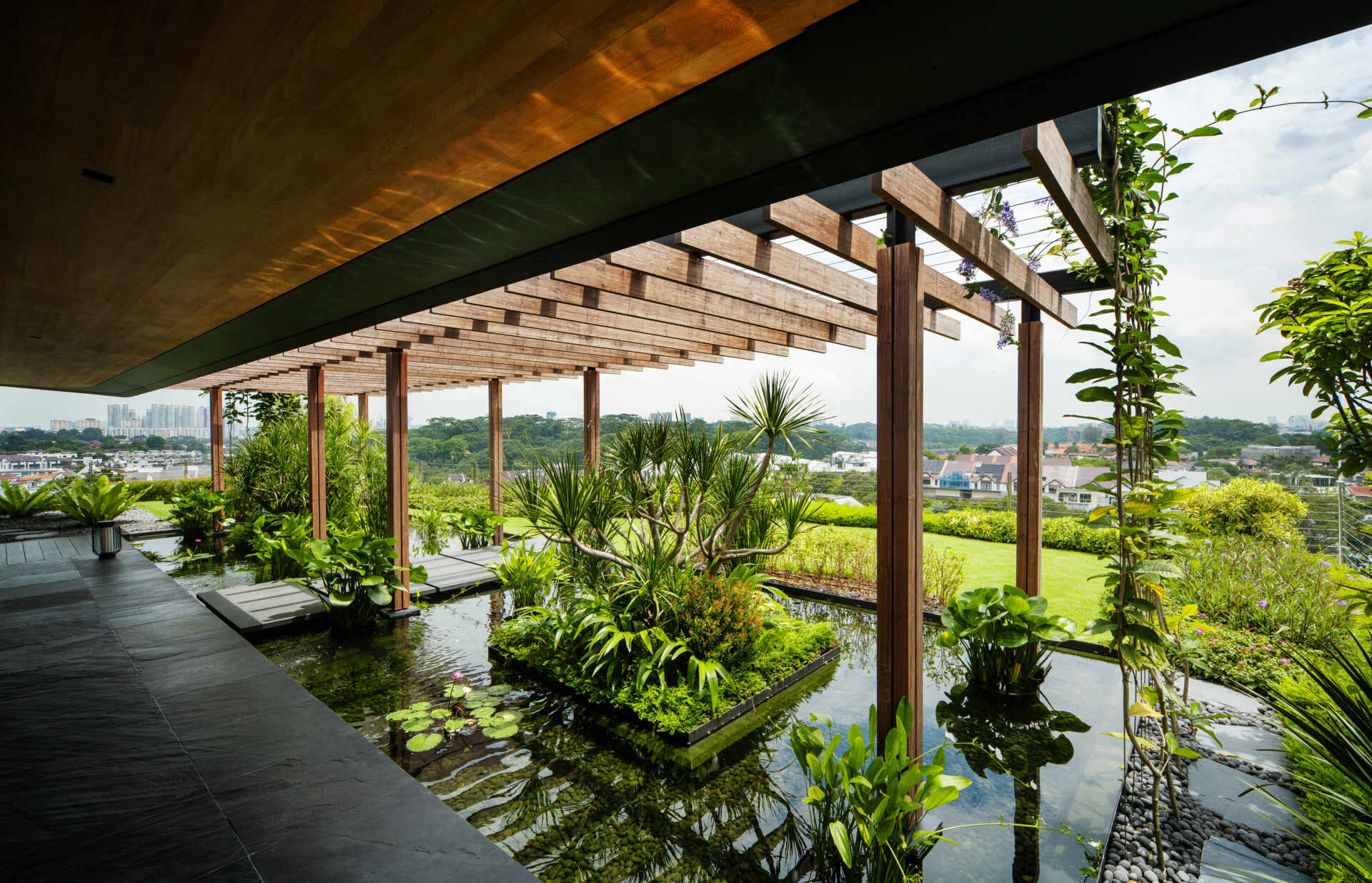
The Art of Home: Where Walls Meet Dreams
Home is more than a physical space—it is a sanctuary where memories are made, emotions are nurtured, and creativity unfolds. The concept of home transcends the mere structure of walls and ceilings; it is a reflection of our identities, aspirations, and innermost dreams. Whether a cozy apartment in a bustling city or a rustic cottage nestled in the countryside, the essence of home lies in its ability to mirror who we are and who we wish to become. This article explores the multifaceted nature of home, delving into its emotional significance, the art of design, and the ways in which we can cultivate spaces that resonate with our deepest selves.
The Emotional Symphony of Home
At its core, a home is a sanctuary of comfort and belonging. It is the place where we retreat from the chaos of the outside world, where laughter echoes through living rooms, and where quiet moments of reflection unfold in personal nooks. Psychologists often emphasize that home is not merely a location but an emotional anchor—a space that holds our history, our struggles, and our triumphs. Studies in environmental psychology suggest that our surroundings profoundly influence our mood, creativity, and overall well-being. A well-designed home can reduce stress, inspire productivity, and foster deep connections with those who share it.
The emotional resonance of home is also tied to its ability to adapt to our evolving lives. A childhood bedroom may hold the echoes of past dreams, while a newlywed couple’s first apartment becomes a canvas for shared aspirations. The walls of a home witness milestones—first steps, heart-to-heart conversations, and the quiet celebrations of everyday life. In this way, home is not static; it grows and transforms alongside us, becoming a living testament to our journey.
The Art of Design: Crafting a Dream Home
Designing a home is akin to painting a masterpiece—each choice, from color palettes to furniture arrangements, contributes to the overall composition. The art of home design lies in balancing aesthetics with functionality, ensuring that the space not only looks beautiful but also serves the needs of its inhabitants. Whether you lean toward minimalist elegance, rustic charm, or contemporary sophistication, the key is to create a space that feels authentically *you*.
Here are some foundational principles to consider when designing your dream home:
- Personal Expression: Infuse your home with elements that reflect your personality, whether through artwork, heirlooms, or quirky decor. These touches make a space uniquely yours.
- Functional Zones: Define distinct areas for different activities—such as a reading corner, a workspace, or a cozy entertainment nook. A well-organized home enhances daily life.
- Natural Elements: Incorporate materials like wood, stone, or plants to create a connection with nature. Natural light, in particular, can elevate mood and energy levels.
- Texture and Layering: Play with textures—soft rugs, woven baskets, or metallic accents—to add depth and tactile appeal to your space.
- Sustainability: Opt for eco-friendly materials, energy-efficient appliances, and sustainable practices to make your home as responsible as it is beautiful.
Remember, the goal is not perfection but harmony. A home should feel like a warm embrace—welcoming, comforting, and full of life.
The Role of Color in Shaping Mood
Color is one of the most powerful tools in home design, capable of influencing emotions, perceptions, and even our sense of space. Warm tones like terracotta, mustard, and deep reds evoke coziness and intimacy, making them ideal for living areas and bedrooms. Cooler hues such as blues, greens, and soft grays promote tranquility and focus, perfect for home offices or meditation spaces. Neutral tones provide a versatile backdrop, allowing other elements in the room to shine.
However, color psychology is not a one-size-fits-all concept. Cultural background, personal experiences, and individual preferences all play a role in how we respond to different shades. For instance, while many associate white with cleanliness and purity, others may find it sterile or unwelcoming. The key is to experiment and observe how colors make you feel within your space. Paint swatches on walls, observe how light changes throughout the day, and don’t be afraid to mix unexpected hues for a dynamic effect.
Furniture and Layout: The Blueprint of Comfort
Furniture is the backbone of any home, defining both its functionality and its aesthetic. The right pieces can transform a house into a home, while poorly chosen items can disrupt the flow and feel of a space. When selecting furniture, consider scale, proportion, and comfort. A too-large sofa in a small living room can overwhelm the space, while a tiny armchair in a sprawling room may feel lost. Aim for a balance that allows for easy movement and conversation.
Layout is equally crucial. The arrangement of furniture should encourage interaction and flow. For example, in a living room, seating should face each other to facilitate conversation, while in a bedroom, the bed should ideally have a clear view of the door for a sense of security. Don’t hesitate to rearrange furniture periodically—sometimes, a new layout can breathe fresh life into a room without any additional cost.
Additionally, consider the longevity of your furniture choices. Investing in high-quality, timeless pieces ensures that your home remains stylish and functional for years to come. Mixing vintage finds with modern elements can also add character and depth to your design.
Bringing Nature Indoors
Nature has an innate ability to soothe the soul, and incorporating natural elements into your home can enhance both its beauty and its livability. Houseplants, for instance, purify the air, boost humidity, and add a touch of vitality to any room. From low-maintenance succulents to lush fiddle-leaf figs, there’s a plant for every space and skill level. Beyond plants, natural materials like rattan, linen, and reclaimed wood can infuse warmth and texture into your decor.
Biophilic design—a concept that emphasizes humanity’s innate connection to nature—suggests that we thrive in environments that mimic natural settings. This can be achieved through large windows that flood interiors with daylight, indoor water features for a calming auditory experience, or even nature-inspired artwork. Even small changes, like displaying a collection of smooth stones or arranging driftwood as decor, can evoke the tranquility of the outdoors.
The Power of Lighting
Lighting is the unsung hero of home design, capable of setting the mood, highlighting architectural features, and creating illusions of space. A well-lit home balances three types of lighting: ambient, task, and accent.
- Ambient Lighting: This is the general illumination that fills a room, often provided by ceiling fixtures, chandeliers, or recessed lighting. It sets the overall tone of the space.
- Task Lighting: Focused light sources like desk lamps, under-cabinet lighting, or reading lights are essential for specific activities such as cooking, working, or reading.
- Accent Lighting: This type of lighting highlights decorative elements, such as artwork, shelves, or architectural details. Think of it as the jewelry of your lighting design—it adds sparkle and depth.
Dimmers are a game-changer, allowing you to adjust the lighting to suit different occasions, from a lively dinner party to a quiet evening with a book. Layering different types of lighting ensures that your home is both functional and inviting, no matter the time of day.
Personal Touches: The Heart of a Home
A home truly comes alive when it reflects the personalities and passions of its inhabitants. Personal touches—whether a gallery wall of family photos, a bookshelf overflowing with beloved novels, or a collection of travel souvenirs—transform a house into a home. These elements tell a story, creating a narrative that is uniquely yours.
Consider dedicating a space to showcase your hobbies or interests. A music lover might display vinyl records or musical instruments in a dedicated corner, while an avid reader could create a cozy reading nook with a comfortable chair and a well-stocked bookshelf. Even small details, like framed concert tickets or a handwritten note tucked into a mirror frame, can evoke cherished memories and add warmth to your surroundings.
Artwork is another powerful way to infuse personality into your home. Whether it’s an original painting, a photograph from a memorable trip, or a poster of your favorite movie, art can evoke emotions and spark conversations. Don’t be afraid to mix mediums—sculptures, tapestries, and even your own creations can find a place in your home.
Creating a Home That Grows With You
A home is not a static entity; it evolves as you do. What once felt like the perfect space may no longer suit your needs as your life changes. Perhaps you transition from a bustling urban apartment to a quiet suburban house, or maybe you start working from home and require a dedicated office. The key is to design a home that is flexible enough to adapt to these transitions.
Modular furniture is an excellent solution for dynamic spaces. Items like extendable dining tables, sofa beds, or storage ottomans can serve multiple purposes, allowing you to maximize functionality without sacrificing style. Similarly, open-concept layouts can be reconfigured to suit different activities or phases of life. The goal is to create a home that feels like a constant companion—supportive, adaptable, and ever-evolving.
Sustainability: Designing with the Future in Mind
In an era of increasing environmental awareness, designing a sustainable home is not just a trend but a responsibility. Sustainable home design focuses on reducing environmental impact while enhancing comfort and efficiency. This can be achieved through several strategies:
- Energy Efficiency: Opt for energy-efficient appliances, LED lighting, and smart thermostats to reduce energy consumption and lower utility bills.
- Non-Toxic Materials: Choose paints, finishes, and furnishings that are free from harmful chemicals like formaldehyde and VOCs (volatile organic compounds).
- Water Conservation: Install low-flow fixtures, fix leaks promptly, and consider water-saving appliances like dual-flush toilets.
- Upcycling and Repurposing: Give old furniture a new life by refinishing or repurposing it, or shop for secondhand pieces to reduce waste.
- Indoor Air Quality: Incorporate houseplants, use natural ventilation, and avoid synthetic fragrances to maintain clean, healthy indoor air.
Beyond the practical benefits, sustainable design also fosters a deeper connection to the environment. Knowing that your home is designed with mindfulness and respect for the planet can bring a sense of fulfillment and purpose.
Conclusion: Your Home, Your Masterpiece
The art of home is a journey—one that blends creativity, intention, and self-discovery. A home is not merely a backdrop to life but an active participant in shaping our experiences, emotions, and dreams. Whether you’re embarking on a full-scale renovation or simply refreshing a room, the choices you make should resonate with your soul. Remember, the most beautiful homes are not those that follow trends but those that tell a story—yours.
So, take the time to curate your space with care. Let your walls echo your laughter, your furnishings cradle your comfort, and your decor inspire your dreams. After all, home is where the heart resides, and it’s up to you to craft a masterpiece that feels like an embrace.
About the Author