Dream Homes Unlocked: A Peek into the Future of Real Estate
The real estate industry is undergoing a transformation unlike any other. Gone are the days when a dream home was defined solely by its four walls and a roof. Today, the future of real estate is being shaped by technology, sustainability, and innovative design. From smart homes that anticipate your needs to eco-friendly communities that blend seamlessly with nature, the concept of a perfect home is evolving at a rapid pace. This article explores the cutting-edge trends and technologies that are unlocking the dream homes of tomorrow.
The Rise of Smart Homes and AI Integration
Imagine walking into your home, and it already knows your preferences—adjusting the lighting, temperature, and even music to suit your mood before you utter a word. This isn’t science fiction; it’s the reality of smart homes powered by Artificial Intelligence (AI) and the Internet of Things (IoT). These intelligent systems are not just about convenience; they are revolutionizing the way we live by enhancing security, energy efficiency, and overall comfort.
Key Features of AI-Driven Smart Homes
- Voice and Gesture Control: Homeowners can control various aspects of their home using voice commands or even hand gestures, thanks to advancements in natural language processing and motion sensors.
- Predictive Maintenance: AI algorithms analyze data from home appliances and systems to predict potential issues before they become major problems, saving homeowners both time and money.
- Energy Optimization: Smart thermostats, lighting systems, and solar panels work in harmony to reduce energy consumption, lowering utility bills and minimizing the carbon footprint.
- Enhanced Security: Facial recognition, smart locks, and AI-powered surveillance systems provide an extra layer of security, ensuring that only authorized individuals enter the premises.
The integration of AI doesn’t stop at individual homes. Entire smart neighborhoods are being developed, where communities share resources and data to create a more sustainable and connected living experience.
Sustainability: Building Homes for a Greener Tomorrow
With climate change at the forefront of global discussions, sustainability has become a cornerstone of modern real estate. Homebuyers are increasingly prioritizing eco-friendly features, and developers are responding with innovative solutions that reduce environmental impact while enhancing quality of life.
Eco-Friendly Innovations in Home Design
- Passive House Design: These homes are built with ultra-low energy consumption in mind, featuring superior insulation, high-performance windows, and heat recovery ventilation systems.
- Solar-Powered Homes: Solar panels are no longer a luxury but a necessity in many regions. Advanced solar roofing tiles and battery storage systems allow homeowners to generate and store their own clean energy.
- Green Roofs and Walls: Incorporating vegetation into building designs helps reduce urban heat islands, improve air quality, and provide natural insulation.
- Water Conservation Systems: Rainwater harvesting, greywater recycling, and low-flow fixtures are becoming standard in sustainable homes, reducing water waste and utility costs.
Beyond individual homes, entire eco-villages and sustainable communities are being developed. These neighborhoods prioritize walkability, green spaces, and shared resources to create a harmonious balance between urban living and nature.
Virtual and Augmented Reality: Redefining the Home Buying Experience
The process of buying a home is being transformed by Virtual Reality (VR) and Augmented Reality (AR). These technologies are making it easier for buyers to visualize their dream homes without ever stepping foot inside a property. From virtual tours to AR-enhanced floor plans, the home buying experience is becoming more immersive and convenient.
How VR and AR Are Changing Real Estate
- Virtual Home Tours: Buyers can explore properties in 3D, walking through rooms and inspecting details as if they were physically present. This saves time and allows for more informed decision-making.
- AR-Enhanced Visualization: Augmented reality apps let homeowners see how furniture, decor, and renovations would look in a space before making any changes. This helps in personalizing homes without costly mistakes.
- Interactive Floor Plans: AR technology overlays digital information onto physical spaces, allowing buyers to see potential layouts, material options, and even future renovations.
- Remote Property Inspections: For international buyers or those unable to visit a property in person, VR and AR provide a realistic and detailed alternative.
The adoption of these technologies is not only streamlining the buying process but also reducing the need for physical site visits, which is particularly beneficial in a post-pandemic world.
The Role of Blockchain in Real Estate Transactions
Blockchain technology is making waves in the real estate industry by introducing transparency, security, and efficiency into transactions. Traditionally, buying or selling a property involves a complex web of intermediaries, paperwork, and potential for fraud. Blockchain is changing that by creating a decentralized and immutable ledger that simplifies the process.
Benefits of Blockchain in Real Estate
- Smart Contracts: These self-executing contracts automatically enforce the terms of an agreement, reducing the need for lawyers and escrow services. Payments, titles, and deeds can be transferred seamlessly once conditions are met.
- Transparent Transactions: Every step of a real estate transaction is recorded on the blockchain, making it nearly impossible to alter or manipulate data. This builds trust between buyers, sellers, and agents.
- Fractional Ownership: Blockchain enables the tokenization of properties, allowing multiple investors to own shares of a property. This lowers the barrier to entry for real estate investment and increases liquidity.
- Reduced Fraud: By eliminating the need for paper-based records, blockchain reduces the risk of title fraud and forgery, ensuring that property ownership is secure.
As blockchain becomes more mainstream, it has the potential to revolutionize not just real estate transactions but also property management, rental agreements, and even mortgage processes.
Modular and 3D-Printed Homes: The Future of Affordable Housing
The housing crisis in many parts of the world has spurred innovation in construction methods. Modular homes and 3D-printed houses are emerging as game-changers, offering faster, more affordable, and sustainable alternatives to traditional construction.
Advantages of Modular and 3D-Printed Homes
- Speed of Construction: Modular homes are built in factories and assembled on-site, reducing construction time by up to 50%. 3D-printed homes can be constructed in a matter of days, using eco-friendly materials like recycled plastics and concrete.
- Cost-Effectiveness: The efficiency of modular and 3D printing reduces labor and material costs, making homeownership more accessible to a broader audience.
- Customization: Contrary to the misconception that prefabricated homes lack personality, modular and 3D-printed homes can be highly customizable. Buyers can choose layouts, finishes, and even smart home integrations.
- Sustainability: These construction methods generate less waste and use fewer resources compared to traditional building techniques. Many 3D-printed homes are made from recycled or locally sourced materials.
Companies like ICON and Habitat for Humanity are already using 3D printing to build homes for low-income families, proving that innovative construction methods can address both affordability and sustainability challenges.
Wellness-Centric Design: Homes That Prioritize Health and Happiness
The pandemic has shifted our perspective on what makes a home truly livable. Beyond aesthetics and functionality, health and wellness have become top priorities. The future of real estate includes homes designed to enhance physical, mental, and emotional well-being.
Elements of Wellness-Centric Home Design
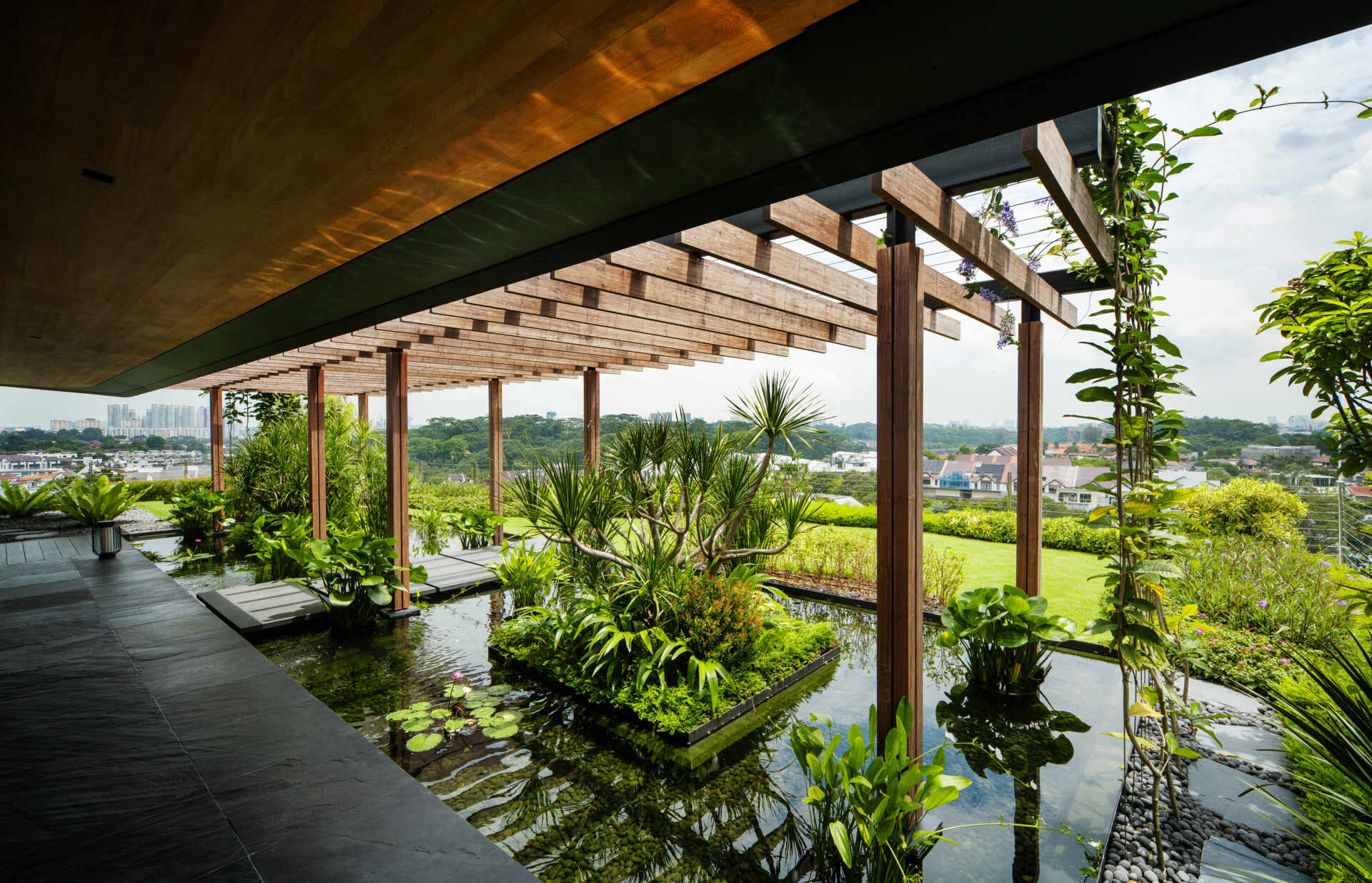
- Biophilic Design: Incorporating natural elements like indoor plants, water features, and ample natural light to reduce stress and improve air quality.
- Air and Water Purification Systems: Advanced filtration systems ensure that the air and water in your home are free from pollutants, allergens, and contaminants.
- Ergonomic and Multi-Functional Spaces: Homes are being designed with flexible layouts that adapt to different needs, such as home offices, workout areas, and meditation spaces.
- Noise Reduction: Soundproofing materials and design techniques create peaceful environments, especially in urban settings where noise pollution is a concern.
- Access to Green Spaces: Whether it’s a private garden, rooftop terrace, or proximity to parks, access to nature is a key factor in wellness-centric design.
Developers are also creating wellness-focused communities with amenities like gyms, spas, and communal gardens to foster a sense of community and well-being among residents.
The Impact of Remote Work on Home Design
The shift to remote work has redefined what we look for in a home. No longer confined to urban centers, people are prioritizing space, comfort, and functionality. The future of real estate caters to this new lifestyle, with homes designed to support productivity, relaxation, and work-life balance.
Trends Shaping the Modern Home Office
- Dedicated Workspaces: Open floor plans are giving way to well-defined home offices with soundproofing, ergonomic furniture, and ample lighting.
- High-Speed Internet and Tech Infrastructure: Reliable internet connectivity and smart home integrations are essential for seamless remote work.
- Multi-Functional Rooms: Spaces that can easily transition from work to relaxation, such as Murphy beds or convertible desks, are becoming more popular.
- Outdoor Workspaces: Balconies, patios, and garden offices are in demand, offering a refreshing change of scenery while working from home.
As remote work continues to thrive, real estate developers are reimagining residential spaces to accommodate the evolving needs of modern professionals.
Conclusion: Embracing the Future of Real Estate
The dream home of the future is no longer a distant fantasy but a tangible reality shaped by technology, sustainability, and innovative design. From AI-powered smart homes to eco-friendly communities, modular construction, and wellness-centric living, the real estate industry is evolving to meet the demands of a changing world. These advancements are not just enhancing the way we live but also making homeownership more accessible, affordable, and enjoyable.
As we look ahead, it’s clear that the future of real estate is bright, dynamic, and full of possibilities. Whether you’re a buyer, seller, or investor, staying informed about these trends will help you navigate the ever-changing landscape and unlock the door to your dream home.
About the Author