Good Lighting Does More Than Brighten a Room
Lighting influences how people experience their homes. It affects visibility during everyday tasks, the atmosphere of shared spaces, and the comfort of rooms used for reading, working, or relaxing.
A room with attractive furniture may still feel inconvenient if its lighting is poorly positioned. Conversely, a simple interior can become more functional when different light sources are arranged thoughtfully.
For property buyers, understanding the existing lighting provisions before purchasing can help with furnishing decisions and future budgeting. Instead of focusing exclusively on decorative fixtures, it is useful to consider how each room will be used throughout the day.
Use Different Layers of Light
A practical lighting scheme often combines general illumination, task lighting, and accent lighting.
General lighting provides overall visibility. Task lighting supports specific activities, such as reading, preparing food, or working at a desk. Accent lighting can highlight artwork, shelving, or selected architectural details.
These layers do not need to be complicated. A suitable ceiling light combined with a desk lamp and a reading light may be sufficient for many households.
The objective is to create flexibility without installing unnecessary fixtures. Buyers should consider their actual routines and identify where additional lighting would provide a clear benefit.
Make the Most of Natural Daylight
Daylight can reduce reliance on artificial lighting during the day and make interiors feel more open. However, its availability depends on window orientation, surrounding buildings, room dimensions, and the time of day.
When assessing a property, observe how light enters the living area and bedrooms. Consider whether desks, dining tables, or reading chairs could be positioned to make useful use of daylight without creating excessive glare.
Window coverings can help residents manage brightness and privacy. Their suitability depends on the room’s purpose and the amount of direct sunlight it receives.
Buyers should also remember that lighting conditions may differ between units within the same development. Reviewing the specific layout is more useful than assuming that every home has the same daylight characteristics.
Examine Lighting Provisions at Solano Grand
Prospective buyers researching Solano Grand can review the official specifications to understand the lighting provisions supplied with the unit.
Consider which areas may require additional illumination after moving in. A kitchen workspace may benefit from well-positioned task lighting, while a study area may need a lamp that supports comfortable reading and computer use.
It is worth planning furniture placement before purchasing decorative fixtures. A bedside table, desk, or dining area should have suitable lighting without creating awkward cable arrangements or obstructing movement.
Buyers should confirm the included fittings rather than assuming that every fixture shown in promotional imagery or a display unit forms part of the purchase.
If additional electrical points or wiring changes are required, consult an appropriately qualified professional and verify the relevant property requirements before proceeding.
Match Lighting to Each Room’s Purpose
Different rooms benefit from different lighting arrangements.
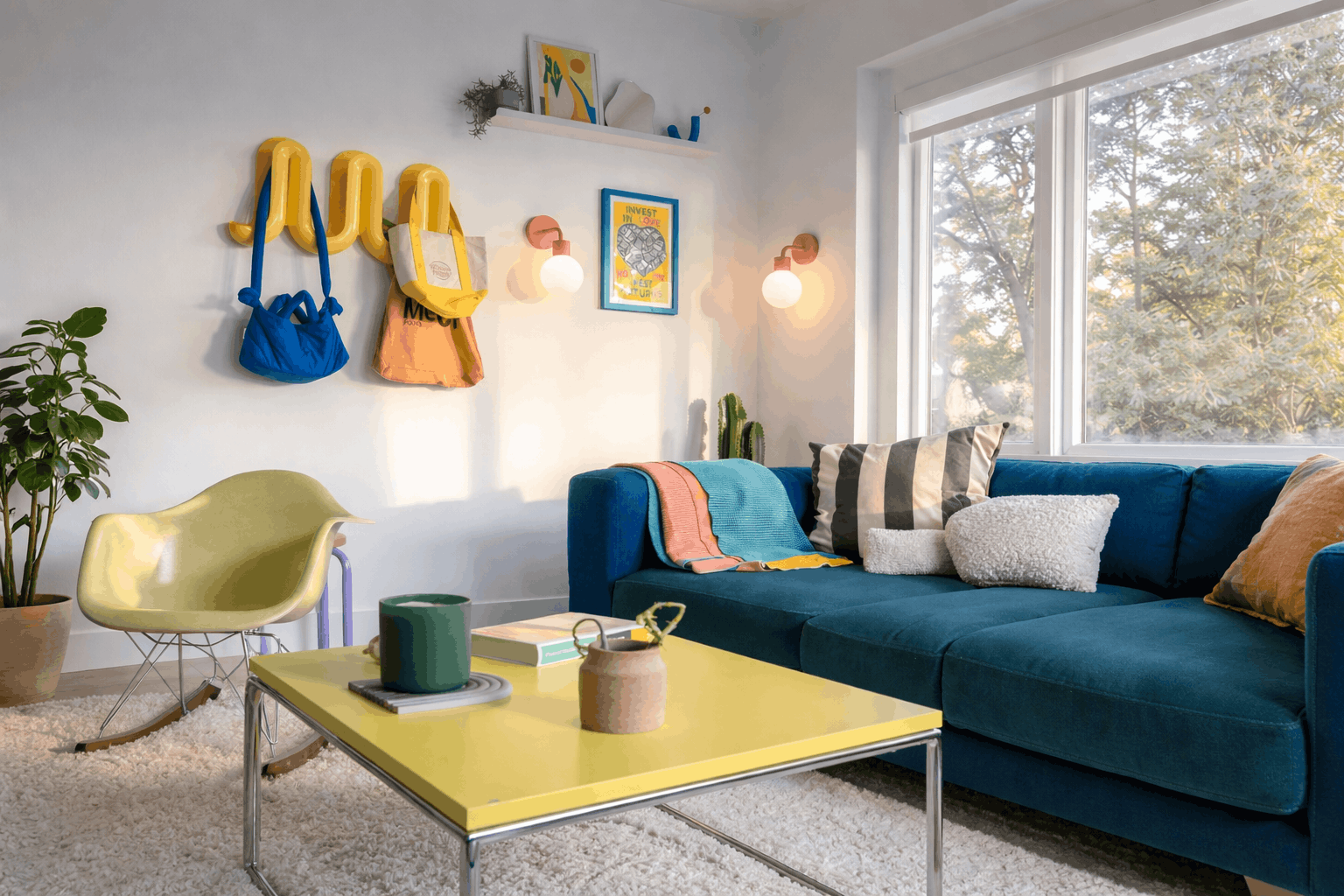
In a living room, several light sources can provide flexibility for entertaining, watching television, or relaxing quietly. Bedrooms may benefit from softer lighting for evening routines alongside brighter illumination for dressing and organising belongings.
Kitchens and work areas generally require sufficient light for tasks that involve precision. Poorly positioned fixtures can cast shadows across preparation surfaces or work desks.
Bathrooms need appropriate illumination around mirrors and other frequently used areas. Any electrical work in moisture-prone locations must follow applicable safety requirements.
Thinking about these differences before moving in can help homeowners avoid buying fixtures that look attractive but perform poorly in practice.
Plan a Lighting Budget for Wynwood Grand
Those considering Wynwood Grand can prepare a lighting budget by distinguishing between essential fittings and optional decorative upgrades.
Start by reviewing the confirmed specifications and listing any additional lamps or fixtures the household expects to need. Compare prices, energy consumption, replacement costs, and maintenance requirements before purchasing.
LED lighting is commonly used for residential applications because it can provide good energy efficiency and a long service life compared with many older lighting technologies. However, the suitability of a particular product depends on its brightness, colour temperature, compatibility, and intended use.
Avoid purchasing every fixture at once if the final arrangement is uncertain. Living in the home for a short period may reveal where extra light is genuinely needed.
Choose Colour Temperature Carefully
The colour temperature of a light source influences the atmosphere of a room. Warmer lighting often creates a relaxed appearance, while cooler lighting can provide a more neutral or crisp effect.
There is no single setting that suits every household. Personal preference, wall colours, furniture finishes, and the purpose of the room all influence the result.
Consistency can help create a cohesive interior, although different rooms may benefit from different lighting characteristics.
Before buying multiple bulbs, consider testing a sample in the intended space. The appearance of a light can vary according to the surrounding finishes and the amount of natural daylight available.
Reduce Glare and Unnecessary Energy Use
A bright room is not necessarily a comfortable room. Exposed bulbs, reflections on screens, and poorly positioned fixtures can cause glare during reading or computer work.
Adjusting the direction of task lighting and selecting suitable lampshades may improve comfort. Where possible, position computer screens so that bright windows or light sources do not create distracting reflections.
Energy use can also be managed through sensible choices. Switching off unnecessary lights, using efficient bulbs, and taking advantage of daylight can help reduce electricity consumption without compromising visibility.
Conclusion
A well-planned lighting scheme combines practical visibility, comfortable ambience, and sensible energy use. Natural daylight, task lighting, and carefully selected fixtures can help each room support its intended purpose.
By reviewing the actual property specifications and planning around everyday activities, buyers can make more informed decisions about lighting and furnishing costs. The most effective arrangement is one that improves comfort without adding unnecessary complexity or expense.
About the Author