The Art of Turning Houses into Homes: A Real Estate Revolution
In today’s fast-paced world, the concept of a “home” has evolved far beyond four walls and a roof. While a house is a physical structure, a home is a sanctuary—a place that reflects personality, nurtures well-being, and fosters connection. This transformation is not just about interior design or decor; it’s a cultural shift in how we perceive real estate. The modern real estate revolution is less about selling properties and more about creating emotional experiences. Buyers today seek spaces that resonate with their lifestyle, values, and aspirations, turning houses into homes before they even move in.
The demand for personalized living spaces has redefined the role of real estate professionals, architects, and designers. No longer is a property’s value solely determined by its square footage or location. Instead, buyers prioritize authenticity, functionality, and emotional appeal. This shift has given rise to a new era of real estate development—one where homes are crafted to tell a story, not just fulfill a need. From sustainable building practices to smart home integrations, the process of turning a house into a home is now an art form that blends innovation with intention.
The Psychology Behind a Home
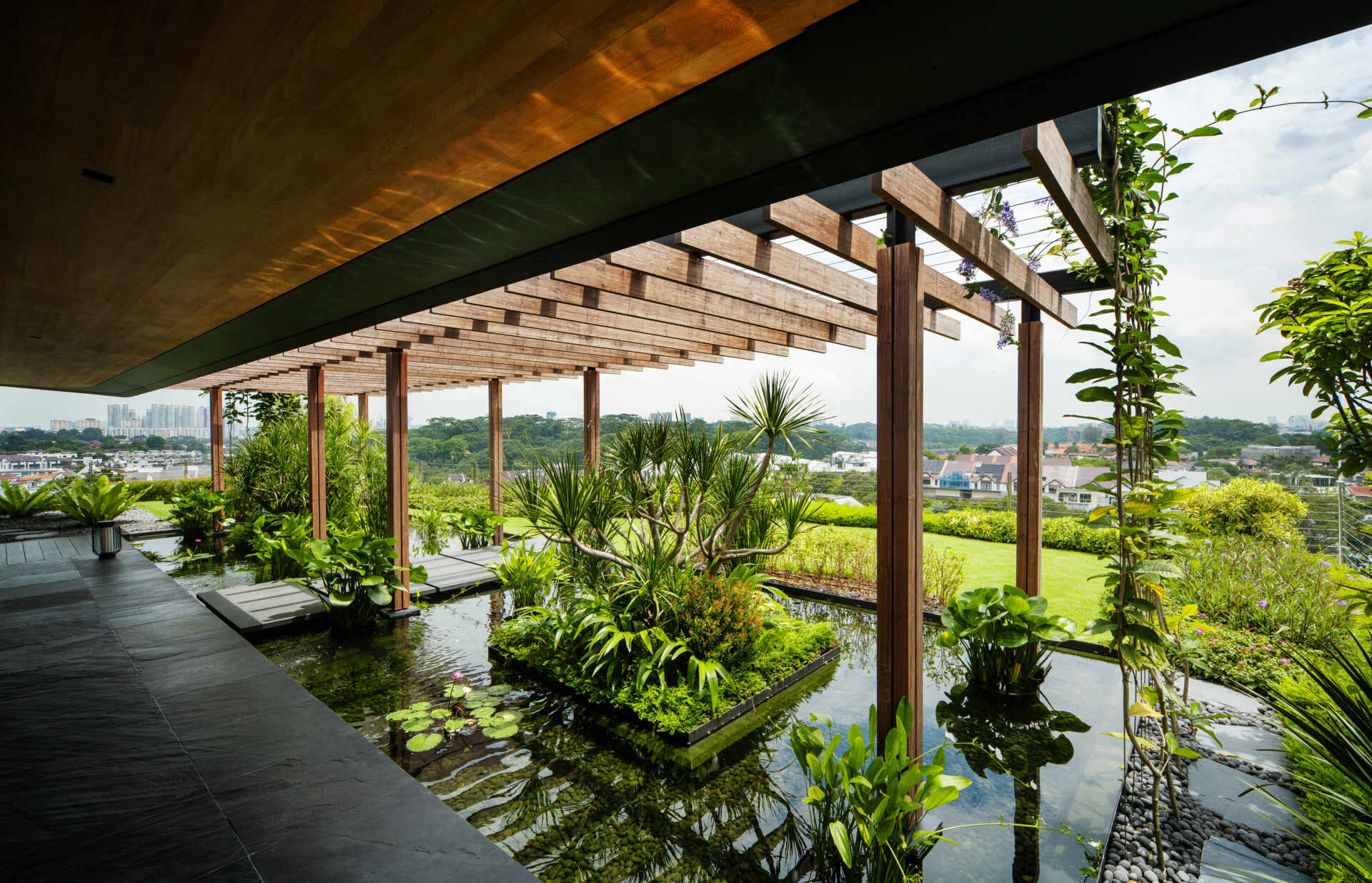
Why do we feel so deeply about our homes? The answer lies in psychology and neuroscience. Studies show that our environments shape our moods, behaviors, and even cognitive functions. A well-designed home can reduce stress, enhance productivity, and strengthen relationships. Architects and designers are increasingly incorporating principles of biophilic design—bringing nature indoors—to create spaces that promote mental well-being. Natural light, greenery, and open layouts are no longer luxuries but essential elements of a home that nurtures its inhabitants.
Beyond aesthetics, the emotional attachment to a home is rooted in memory and identity. A childhood home, a first apartment, or a place where family gatherings took place—these spaces hold stories that transcend bricks and mortar. Real estate developers are now recognizing this, designing homes that encourage connection and community. Shared spaces like co-working areas, communal gardens, or even neighborhood events are becoming standard features in modern residential projects. The home is no longer an isolated unit but a part of a larger, supportive ecosystem.
The Role of Technology in Home Transformation
Technology has become a cornerstone in the evolution of how houses become homes. Smart home systems allow residents to control lighting, temperature, and security with a tap on their phones, creating convenience and peace of mind. Voice-activated assistants like Alexa and Google Home are no longer novelties but expectations in new constructions. These innovations do more than simplify daily tasks—they enhance the living experience, making homes more responsive to the inhabitants’ needs.
Beyond smart devices, technology is also revolutionizing the way homes are designed and built. 3D printing, modular construction, and virtual reality tours are streamlining the home-building process, making it more efficient and customizable. Buyers can now take virtual walkthroughs of properties, visualize different layouts, and even customize finishes before construction begins. This level of personalization ensures that the final product is not just a house but a home tailored to the buyer’s vision.
Sustainability: Building Homes for the Future
As climate change becomes an urgent global concern, sustainable living has moved from a trend to a necessity. Modern homebuyers are increasingly looking for eco-friendly features that reduce their carbon footprint while saving on utility costs. Solar panels, rainwater harvesting systems, and energy-efficient appliances are now standard in many new developments. Even existing homes are being retrofitted with sustainable solutions, from insulation upgrades to smart thermostats that optimize energy use.
The shift toward sustainability is also influencing architectural design. Passive house standards, which focus on minimizing energy consumption through insulation and natural ventilation, are gaining popularity. Developers are incorporating recycled materials, green roofs, and permeable paving to create homes that are both beautiful and environmentally responsible. These choices not only benefit the planet but also enhance the long-term value of the property. A home built with sustainability in mind is not just a place to live—it’s a statement of responsibility and foresight.
The Rise of Community-Centric Living
In an era where digital connectivity often replaces face-to-face interaction, the need for community has never been more pronounced. Real estate developers are responding by creating neighborhoods that foster social bonds. Mixed-use developments, which combine residential spaces with retail, dining, and recreational areas, are becoming the norm. These communities are designed to encourage interaction, whether through shared courtyards, rooftop gardens, or organized events like farmers’ markets and fitness classes.
The concept of co-living spaces is also gaining traction, particularly among young professionals and digital nomads. These arrangements offer private bedrooms within shared living spaces, promoting a sense of belonging while providing affordability. The focus is on creating a home that extends beyond individual units to a collective experience where residents support and inspire one another. This model challenges the traditional notion of homeownership, presenting an alternative where flexibility and community take precedence over permanence.
Interior Design: The Heart of a Home
While technology and sustainability lay the foundation, interior design is what truly breathes life into a house. The best homes are those that tell a story through their design—a blend of functionality, aesthetics, and personal expression. Neutral palettes with pops of color, open floor plans that encourage movement, and multifunctional furniture are just a few trends shaping modern interiors. However, the real magic happens when a space reflects the personality of its inhabitants.
Customization is key. Homeowners today want spaces that adapt to their lifestyles, whether that means a home office for remote work, a meditation nook for mindfulness, or a gourmet kitchen for culinary enthusiasts. The rise of online interior design platforms has made it easier than ever to access professional advice, allowing buyers to visualize and implement their dream spaces before moving in. Even small details, like the choice of materials or the arrangement of artwork, contribute to the overall feel of a home. It’s these thoughtful touches that transform a house into a sanctuary.
The Investment in Wellness
Wellness is no longer confined to gyms and spas—it has become a home priority. Homebuyers are increasingly seeking features that promote physical and mental health, from air purification systems to ergonomic furniture. Dedicated wellness rooms, where residents can practice yoga, meditation, or even light therapy, are becoming common in upscale developments. The COVID-19 pandemic accelerated this trend, as people spent more time at home and prioritized their well-being.
Architects are also rethinking the layout of homes to support wellness. Bedrooms are designed to be dark and quiet for optimal sleep, while kitchens are equipped with high-quality appliances to encourage healthy eating. Outdoor spaces, whether balconies, patios, or backyards, are being treated as extensions of the home, offering fresh air and a connection to nature. The message is clear: a home should be a haven for health, not just a place to rest one’s head.
Challenges and Opportunities in the Home Transformation Market
Despite the growing demand for personalized homes, the real estate industry faces challenges in meeting these expectations. Supply chain disruptions, rising material costs, and labor shortages can delay projects and drive up prices. Additionally, the pressure to innovate while staying within budget requires a delicate balance. Developers must invest in research and technology to stay ahead, but not all are equipped to do so.
However, these challenges also present opportunities. The demand for unique, high-quality homes has created a niche market for boutique real estate firms that specialize in customization. Builders who embrace modular construction, prefabrication, and digital tools can streamline the process and reduce costs. Meanwhile, the rise of DIY home improvement platforms empowers buyers to take an active role in shaping their spaces. The home transformation market is ripe for disruption, and those who adapt will lead the next wave of real estate innovation.
How to Turn Your House into a Home
Whether you’re buying a new property or renovating an existing one, transforming a house into a home requires intention and creativity. Start by defining what “home” means to you. Is it a cozy retreat, a social hub, or a productivity powerhouse? Once you have a vision, consider the following steps:
- Define Your Style: Browse design platforms like Pinterest or Houzz to gather inspiration. Identify themes that resonate with you, whether it’s minimalist, rustic, or maximalist.
- Prioritize Functionality: Think about how you use each space. A home office might need soundproofing, while a kitchen could benefit from an island for meal prep and socializing.
- Invest in Quality Materials: Durable, sustainable materials not only last longer but also enhance the overall aesthetic of your home.
- Incorporate Personal Touches: Display artwork, family photos, or travel souvenirs to make the space uniquely yours.
- Embrace Technology: Smart home devices can simplify daily routines and add a modern touch.
- Create Outdoor Connections: Even small balconies or patios can become extensions of your indoor living space with the right furniture and greenery.
Remember, turning a house into a home is a journey, not a destination. It’s about evolving your space as your life changes, ensuring that it continues to reflect who you are.
The Future of Home Transformation
The real estate revolution is far from over. As technology advances and societal values shift, the way we define and create homes will continue to evolve. Imagine homes that adapt to our moods, using AI to adjust lighting and temperature based on our emotional state. Picture neighborhoods where sustainability is not an option but a standard, and where every home is a reflection of its inhabitants’ dreams.
The future of home transformation lies in the intersection of innovation, sustainability, and personalization. Developers who prioritize these elements will not only meet the demands of modern buyers but also shape the way we live for generations to come. In this new era, a house is more than just a place to live—it’s a canvas for life’s most meaningful moments.
About the Author